Flower power is growing strong in Worcester. It’s the time of year to make the most of a bud situation and see how many of these native Massachusetts flowers you can identify. Here’s a look at a few of the blooms with starring roles in Mother Nature’s springtime show.
Mayflower
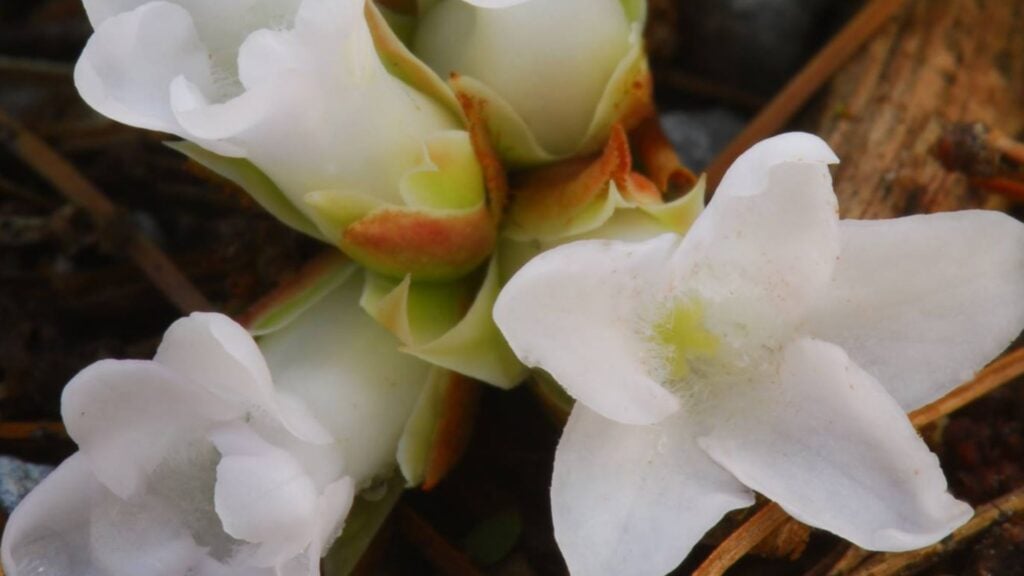
This beautiful bloom in the header image is the Massachusetts state flower. The tiny white or pink flowers bloom from March through July. You can find them in most forest clearings and sandy areas in Massachusetts. The best place to find mayflowers growing abundantly is along the green belt in Green Hill Park. Plan a fun family day trip here to visit the Green Hill Park Farm and bask in the sun on a picnic blanket while the kids play on the playground.
Note: Mayflowers almost went extinct due to over picking in the 1900s. It is not permitted to pick wild mayflowers.
Red Trillium
Red Trillium is also known as Stinking Benjamin. It’s a pretty flower but it does, in fact, stink. It blooms from April through June and grows in moist, wooded areas. You can also spot it along streams and brooks. Take a hike up to The Cascades to find the flower blooming along the trails leading to Boynton Park. This 1.4-mile trail is popular among visitors and locals alike. Most Worcester parks allow you to bring your dogs on leash with you to explore the beautiful landscape.
Trout Lily
This pretty, yellow-petaled flower is part of the poppy family. It gets its name from the brown, mottled spots on its leaves which resemble brown or brook trout. It blooms in late April through early May and grows in forests. Once a trout lily colony takes hold, it can cover an entire forest floor with stunning color. The Greater Worcester Land Trust lodge is a great spot to find these lovely flowers blooming. Since Worcester is considered an urban forest, it’s not unusual to see these blooms along many of the tree-lined streets.
Bloodroot
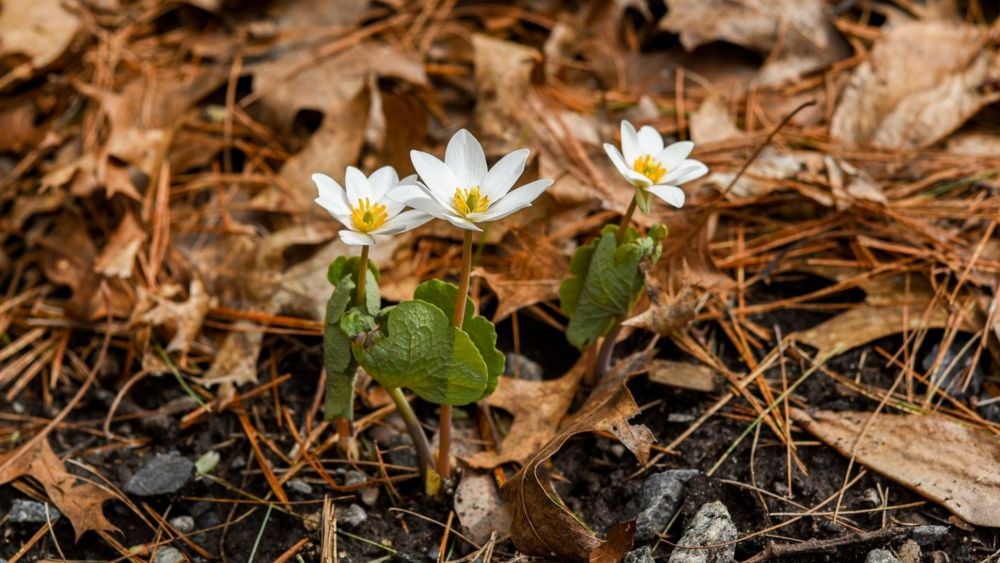
Another early season flower, bloodroot blooms from mid-March to May. The flower is white and can look quite similar to the Mayflower. Bloodroot gets its name not from the flower, but from its red sap. This plant likes woodlands, flooded plains or shaded gardens like you’ll find on a pleasant 1.1 mile walk at the Perkins Farm Conservation Area. People have used bloodroot for medicinal purposes for centuries to treat fevers, skin conditions and even as a folk remedy for cancer.
Safety note: It is best not to pick bloodroot, and if you do, please handle with caution. The sap can irritate and even damage the skin, and it is poisonous if ingested.
Hepatica
Check out the trail at Elm Park to see these blue, lavender or white flowers. Hepaticas are part of the buttercup family and among the earliest spring bloomers. They grow best in wooded or shaded areas of the forest, so you may have to venture off the trail a bit to get a good look. Once you have completed your leisurely stroll around the ponds at Elm Park, take some time to enjoy watching the birds at this popular picnic area.
Flowering Dogwood
The pink and white blossoms of this flowering tree are a sure sign of spring and a common sight in many neighborhoods. The tree produces bright red berries in late summer to fall, and scarlet-red foliage in the fall. While indigenous to the area, diseases and wood boring insects have caused flowering dogwoods to be classified as endangered or vulnerable in some states. Caretakers of these beautiful trees are careful to look for signs of poor health to ensure we can continue to enjoy their blossoms each spring.
Pink Lady’s Slipper
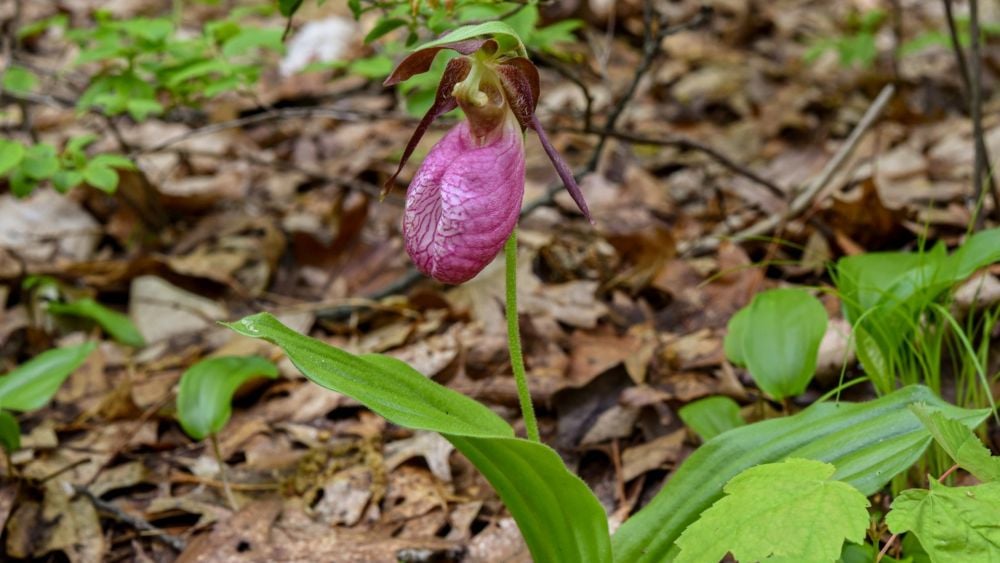
This gorgeous flower belongs to the orchid family, and it’s more common than you might think. The name comes from its resemblance to (you guessed it) a lady’s slipper. Often blooming in May, colors vary from a whitish pink to magenta. You’ll see them in several gardens around the city, but if you want to see them en mass, along with many of the flowers listed above, take a day to visit the New England Botanic Garden at Tower Hill. This non-profit organization is open year-round for visitors to explore their vast collections.
This is just a small sampling of the flowers you’ll see in the Worcester area this spring. We hope you take a moment to enjoy these early signs of warmer weather ahead. While out and about, please do the ecosystem and your fellow nature fans a favor and don’t pick the flowers. Take a look or take a picture but leave the blossoms behind for everyone to enjoy.
Want to keep up to date on seasonal happenings across Massachusetts? Sign up for our e-newsletter and get events sent right to your inbox. www.visitma.com/sign-up